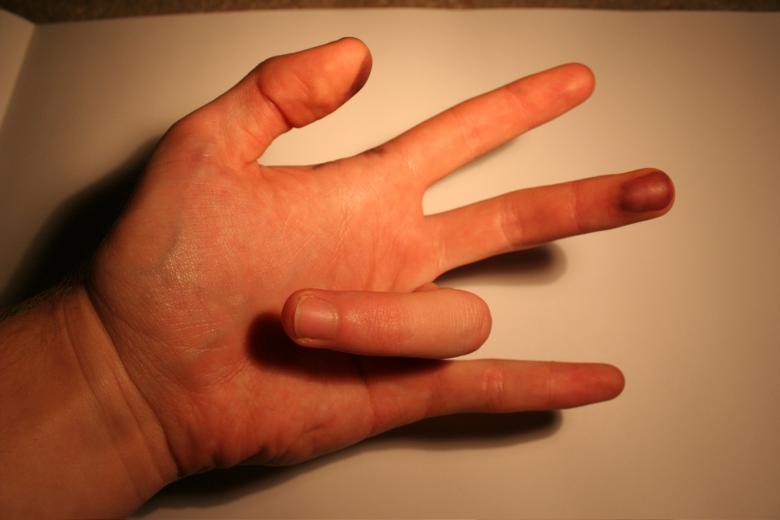
Trigger finger is a stressful health condition where the person affected experiences swelling and a severe pain on the base of finger or thumb. Usually this condition is associated with a clicking or snapping while they are moved or clenched when performing everyday activities or sports and other activities respectively. The scientific researchers have introduced successful trigger finger treatment options for controlling the causes and curing the diseases’ severity.
Who gets affected by trigger finger?
Most common cause of trigger finger condition could be age factor and others who have any medical issues such as rheumatoid arthritis, diabetes mellitus, and gout. People who requiretrigger finger treatmentare those who use their fingers repetitively. Constant usage of the fingers will injure the interface between A1 pulley and flexor tendon, which causes inflammation, pain and swelling.
Factors that determine trigger finger treatment
In case you experience a severe painful health condition in your fingers it is inevitable to see a well qualified experienced Hand Surgeon. They will initially perform a clinical checkup and ask complete medical history of the patient, for understanding the severity of the case and grading.
- Grade I – the patient might experience slight inflammation and pain on the affected finger while catching any objects.
- Grade 2 – patient will be experiencing inflammation and pain in the affected finger along with triggering sensation while stretching and extending the fingers.
- Grade 3 – in grade 3 the patient will experience acute inflammation, pain and triggering as in grade 2, but they will not be able to extent the affected finger because it gets locked. The fingers locked will not be brought to normal position only with some support of their assistance or their other hand.
- Grade 4 – the affected fingers will be severely inflamed and locked at the inter phalange joint.
Types of treatments
Nonsurgical treatment
If you are experiencing trigger finger condition in early stages, then doctors usually prescribe anti-inflammatory drugs, splinting, modification of finger activities and steroids. Patients with grade 1 or initial stages of grade 2 of the disease are recommended to avoid activities and non-surgical and non-invasive treatments.
Invasive treatment
The grade 2 patients who are not responding to non-invasive trigger finger treatment are treated by injecting a mixture of steroid and anesthetic substance in to the inflamed flexor tendon sheath. This treatment will cure trigger finger condition. In case of recurrence of this issue injections are not repeated more than two times for a patient. Hand surgeons usually prescribe only two injections for the affected fingers. But the inflamed little finger can be treated only with one shot of injection because repeated injections can cause traumatic tendon rupture condition.
Surgical treatment
Patients categorized under grade 4 conditions are advised by hand surgeons for a surgical repair to be performed immediately for speedy cure. Surgical trigger finger treatment helps in releasing A1 pulley that has been preventing mobility of the flexor tendon. In critical cases a flexion contraction therapy is performed for complete recovery. Therefore, the flexion tendon will be able to easily glide through the sheath without any friction or pain.
If you are experiencing severe pain and inflamed trigger finger condition, it is advisable to see your orthopedic surgeon for permanent relief.